Off the Flame: Nine Ways to Cook With Manuka Honey Without Cooking the Good Out of It
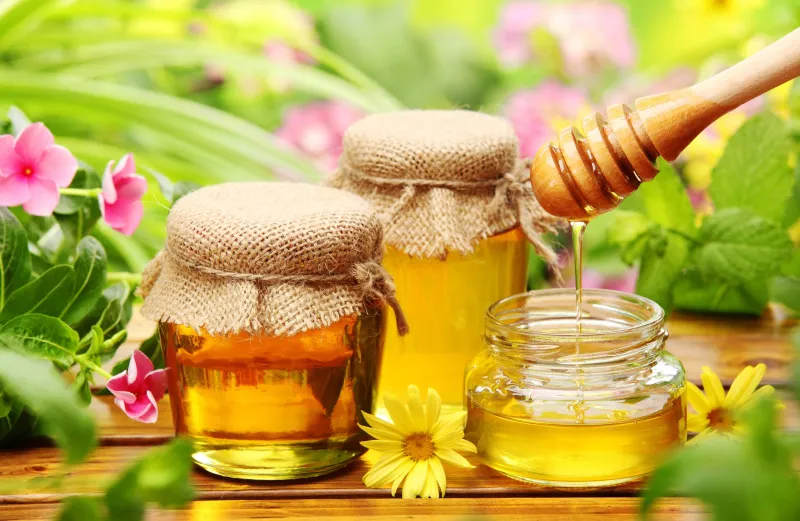
Photo: honey drizzled over roasted carrots on a sheet pan in a home kitchen, via wallpapers.com
I once watched a friend glaze a Thanksgiving ham with a jar of UMF 15+ and then slide it into a 450°F oven for forty minutes. I said nothing. I was raised polite, and also I was holding a spoon.
That ham was fine. Delicious, even. But whatever she paid for that jar, she paid it for a compound that was mostly gone by the time the timer went off. Manuka is not a finishing salt you sprinkle at will, and it is not a workhorse honey either. It lives somewhere in between, and the trick is knowing which side of that line each recipe sits on.
What Heat Actually Does
Methylglyoxal — the MGO on the label — is a small, reactive molecule. It degrades with prolonged heat, and the loss is not subtle: lab work consistently shows meaningful MGO reduction after sustained exposure to oven and stovetop temperatures, with the damage scaling up the hotter and longer you go. The enzymes that often get mentioned alongside it (diastase, invertase) are even more heat-fragile, and HMF, a breakdown marker, creeps up as they go.
Translation for the kitchen: brief warmth is fine, simmering is wasteful, and a long bake is a very expensive way to make regular honey.
Three rules that cover almost everything
- Add it off the heat. Pull the pan, wait thirty seconds, then drizzle and toss. You still get the flavor and the gloss.
- Warm, don't boil. If a recipe needs honey loosened, use warm water or a warm-water bath, not a microwave and never a simmering pot.
- Match the grade to the job. A raw spoon and a marinade deserve different jars.
The Grade-to-Job Map
| Grade | Best use |
|---|---|
| UMF 5+ | Glazes, marinades, big-batch dressings, anything going into a pan |
| UMF 10+ | Everyday drizzles, compound butter, cocktails, yogurt |
| UMF 15+ | Raw finishing, straight off the spoon, gifts |
| UMF 20+ | Spoon only. Honestly. |
Now the nine.
1. Whipped honey butter
Let salted butter sit at room temperature until it gives, then whip it with an equal weight of UMF 10+ until it turns pale and glossy. No heat anywhere in the process, so nothing is lost. It keeps about two weeks in the fridge and will ruin you for the stuff in tubs. Use it on cornbread, biscuits, or a hot dinner roll where the butter melts on contact rather than in the pan.
2. A three-ingredient vinaigrette
Honey dissolves beautifully in acid, which makes dressing the lowest-effort manuka use there is. Whisk a tablespoon of UMF 5+ into two tablespoons of red wine vinegar, then stream in six tablespoons of olive oil, plus a minced shallot and a spoon of Dijon. Zero heat, and the honey does what sugar cannot: it rounds the vinegar without turning sweet.
3. The yogurt bowl you will make all winter
Toast rolled oats and walnuts in a dry skillet, pull the pan off the burner, and only then drizzle in a little honey and a pinch of salt to make a loose cluster. Cool, then spoon over full-fat yogurt with a second raw drizzle of UMF 15+. This is the single best use of a high-grade jar I know: the honey stays raw, the oats get toasty, and the whole thing takes six minutes.
4. Salmon with a glaze applied after the oven
Here is the move that surprises people. Roast or broil your salmon plain, skin side down, until it just flakes. Slide it onto a plate, then brush on a glaze of UMF 5+ stirred into whole-grain mustard and a squeeze of lemon. The residual heat warms the glaze enough to spread without ever taking it past comfortable. No burnt sugars, no wasted potency.
5. Roast carrots, honey at the end
Roast carrots or parsnips hard and fast with olive oil and cumin until the edges char. Off the heat, toss with a knob of butter and a spoonful of UMF 5+, then finish with flaky salt. If you add the honey before roasting, the sugars scorch before the carrots are done and you lose the whole point.
6. Honey syrup for cocktails, made warm
For a Gold Rush or a honey-laced whiskey sour, stir honey into an equal volume of warm — not boiling — water until it runs like maple syrup. Boiling water makes a cloudy syrup and pushes the honey harder than it needs to go. A UMF 10+ syrup is plenty here; the bourbon is doing most of the talking anyway.
7. Chili crisp and honey, together
Spoon a couple of tablespoons of chili crisp into a bowl and stir in a teaspoon of UMF 5+ with a splash of rice vinegar. It loosens into something drizzly and dangerous. Spoon it over roasted broccoli, fried eggs, dumplings, or vanilla ice cream if you are feeling brave. Nothing touches a flame.
8. Chicken thighs with a short marinade
Honey marinades work quickly because honey is hygroscopic and pulls moisture in — but they also burn. Keep the contact time to thirty minutes, use an acid (lemon, yogurt, vinegar) to balance the sugar, and grill over moderate heat, moving the pieces often. UMF 5+ is the right jar here. Nobody should be marinating with 15+.
9. No-bake honey-oat bites
Stir rolled oats, almond butter, chopped dates, and a pinch of salt together with enough UMF 10+ to bind, press into a pan, and chill. The honey is a binder and a flavor, not a sweetener to be cooked off, and the whole batch takes ten minutes and no oven. Cut small; they are rich.
Three Habits That Protect the Jar
- Use a clean, dry spoon every time. Water and crumbs are how a good jar goes off.
- Decant a week's worth. A small countertop jar means the big one stays sealed, cool, and dark.
- Skip the microwave. If crystallized honey bugs you, set the jar in a bowl of warm tap water and give it twenty minutes.
The good stuff is genuinely good. It just prefers to be the last thing that happens to a dish, not the first. Put it on at the end, and the jar lasts longer and tastes like more.