The Polite Nod Test: Who Actually Uses a Jar of Manuka, and Who's Just Being Nice
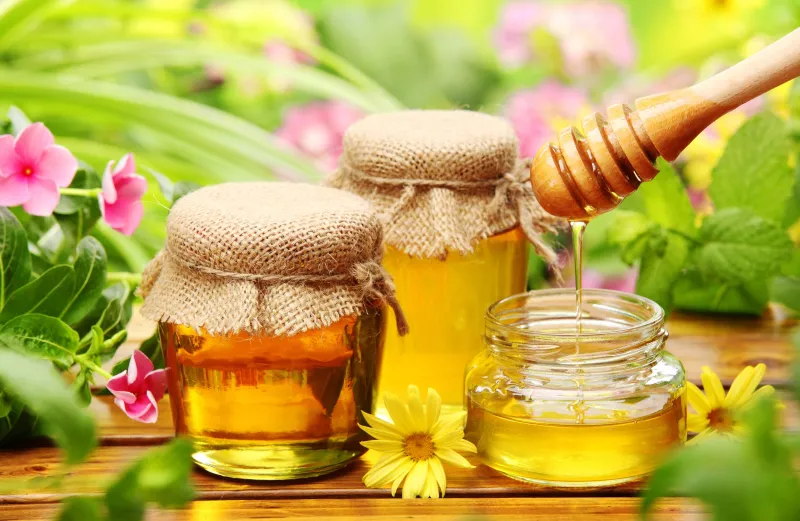
Photo: honey jar holiday gift basket with tea and cheese board, via wallpapers.com
Every December I watch people spend $70 on a jar of high-UMF manuka for a cousin who eats honey once a year on a biscuit. The cousin says "oh, wow, thank you," puts it in a cabinet, and it sits there until it's a fossil. That's not a bad gift. It's just a mismatched one.
Manuka is unusual in gifting because the grade matters as much as the gesture. Hand someone a UMF 20+ jar and you've given them something closer to a supplement than a breakfast item — intense, bitter-edged, and honestly not that pleasant by the spoonful if they weren't expecting it. Hand a wellness devotee a $12 "manuka blend" and you've given them a politely received nothing.
So here's the test I actually run in my head before buying: would this person finish the jar in six months? If yes, buy up a grade. If no, buy small and buy mild.
Match the jar to the person, not the price tag
The curious beginner. Go UMF 5+ or MGO 83+ — sometimes sold as "everyday" manuka. It's mild, floral, pourable, and works on toast without a lecture. A 250g jar runs roughly $20–$30 in the US, which is a reasonable gift without being a statement.
The daily tea drinker. UMF 10+ (MGO 263+) is the sweet spot for most people. Enough character to notice in chamomile or black tea, not so aggressive it dominates. Pair it with a decent loose-leaf sampler and you've made a gift that gets used on a Tuesday in February, which is the real test.
The wellness shopper. They already know what MGO means and they will read the label. Don't guess — get UMF 15+ (MGO 514+) if they've hinted at it, and skip the jar entirely if they haven't. Also: resist the urge to write a card about what it will "do" for them. More on that below.
The food person. They're the ones who'll actually enjoy a high-grade jar, because they'll treat it like a condiment. A UMF 15+ or a single-source jar with a named region goes over well, especially alongside a good wedge of aged cheddar or a small jar of flaky salt.
What not to put under the tree
- A UMF 20+ jar for a novice. It's a lot of money spent on intensity they didn't ask for.
- Anything labeled "manuka blend" or "manuka-type" as a premium gift. If the label doesn't show UMF or MGO, it isn't the gift you think it is.
- A jar with a health claim taped to it. Manuka honey is food. Giving someone a jar with a promise attached, especially to a person managing an illness, is a fast way to make a nice gift feel like pressure.
- Giant formats. A 500g jar of something intense is a commitment. Two 100g jars in different grades is a better gift and a better story.
The etiquette part nobody talks about
Gift receipts exist for a reason. If you're spending premium money, buy from a retailer that allows returns without a scene, and say so lightly in the card: "no hard feelings if it's not your thing."
And do the recipient a favor: one line on how to use it. Not a paragraph. Something like "Great stirred into tea after it's off the boil, or spooned over yogurt with a little salt." That single sentence is the difference between a jar that gets opened and a jar that gets admired.
Pairings that do the talking so you don't have to
Honey is a good gift; honey plus a specific thing is a great one.
- Sharp cheddar or aged gouda — manuka's earthy, slightly resinous note cuts through aged dairy beautifully.
- Plain whole-milk yogurt and flaky salt — the fastest way to convert a skeptic.
- A good loaf and cultured butter — beginner-friendly, low commitment.
- Loose-leaf tea — chamomile, ginger, or a plain black. Skip anything already sweetened.
- A glaze kit — a small jar plus a printed recipe for a holiday ham or roasted carrots.
- A honey dipper or a small ceramic spoon — cheap, useful, and it signals that this jar is meant to be used.
Reading the polite nod
You'll usually know by January. Some tells:
- "I'm saving it for a special occasion." Translation: it will never be opened. Follow up with a use suggestion.
- "It's too nice to use." Same problem. Tell them it's a breakfast item, not a trophy.
- "I'm not really a honey person." Fine — that's honest, and a UMF 5+ in a small jar would have been the right call.
- "Oh, I've been putting it in my tea every morning." You win. Buy them the 10+ next year.
A quick cheat sheet
| Recipient | Grade to buy | Size | Budget ballpark |
|---|---|---|---|
| Beginner / skeptic | UMF 5+ | 250g | $20–$30 |
| Daily tea drinker | UMF 10+ | 250g | $35–$50 |
| Wellness shopper (who asked) | UMF 15+ | 250g | $60–$90 |
| Food lover | UMF 15+ or single-source | 250g | $60–$90 |
| Office/host gift | UMF 5+ | 100g | $12–$20 |
Prices swing, and they swing upward around the holidays, so buy early and check the MGO/UMF number rather than the pretty box. A jar that states its grade plainly is worth more than one with gold foil and a vague story.
The best manuka gift isn't the most expensive jar on the shelf. It's the one whose recipient texts you in March to say they finished it.