The Harvest-Date Hunt: Why Your Manuka Score Isn’t a Vintage
If you’ve spent any time in the manuka aisle, you know the ritual. You pick up a jar, flip it over, and compare the numbers: UMF 10+ versus MGO 263, PA this, non-peroxide that. It feels responsible. It feels scientific. And it is useful — up to a point.
But here’s the thing I keep running into as a shopper: that score is a grade, not a birth certificate. Two jars can carry the same rating and still taste noticeably different. One may be creamy and bright; the other darker, denser, and a little more muted. The difference often isn’t the number on the front. It’s the harvest behind the batch — and whether anyone bothered to tell you when that harvest happened.
The score tells you grade, not age
UMF, MGO, and PA are useful shorthand for what’s in the jar. They’re tied to batch testing and give you a way to compare intensity and grade across brands. What they don’t tell you is when the honey was harvested, how long it sat in a warehouse, or how it was handled before it reached a US shelf.
That matters because manuka is an agricultural product, not a software version. Nectar flow changes with weather, region, and timing. A jar from an early harvest can taste different from one gathered later in the same season. A batch from a cooler, wetter stretch may have a different texture or aroma than one from a hotter, drier run. Same rating, different personality.
So when I see shoppers comparing scores with the intensity of fantasy-football managers, I want to gently slide a second question into the conversation: what’s the harvest date on this batch?
Why manuka has a season at all
Manuka honey comes from the flowering of Leptospermum scoparium, and that bloom is not a year-round faucet. In New Zealand, the timing shifts by region and weather. Beekeepers work within a window, and the honey that lands in the jar reflects that window — sometimes a narrow one.
That’s why “season” is not just romantic label language. A harvest date or season code can tell you whether you’re looking at a recent batch or one that has been making its way through the supply chain. It can also explain why a brand’s UMF 10+ from one year has a loyal following while the next year’s batch gets mixed reviews. The score may hold steady; the crop does not.
In the US, we’re used to “best by” dates doing all the work. But best-by is not harvest. A jar can have a generous best-by window and still be from an older harvest. If freshness matters to you — and with premium honey, it often does — you need a different clue.
Two jars, same number, different spoon
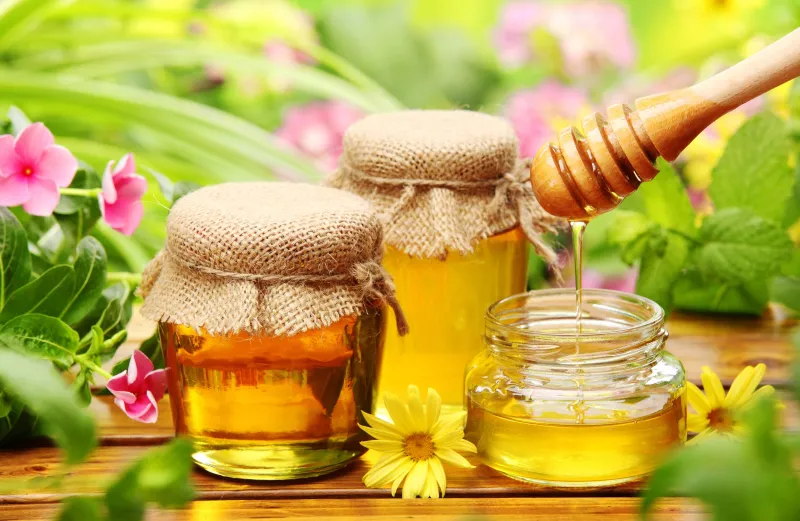
I’ve done side-by-side spoons of same-rated jars that felt like different products. One was pale, soft, and quick to melt; the other was darker, thicker, and had a deeper, almost herbal edge. Neither was “wrong.” But if I were buying for a cheese board or a daily spoon, I’d want to know which one I was getting.
Harvest timing can influence flavor and texture, but so can storage and shipping. Honey is sturdy, yet it isn’t invincible. Heat, long warehouse stays, and repeated temperature swings can dull the experience. A harvest date won’t tell you the whole story, but it’s one of the few concrete clues a shopper can actually ask about.
Where the date hides on a US jar
This is where the hunt gets real. Some brands print a harvest date clearly. Others use a lot code, a packed-on date, or a best-by date that requires a decoder ring. Some don’t put anything obvious on the retail label at all.
Check the bottom of the jar, the side panel, and the area around the lot code. Look for words like “harvested,” “crop,” “season,” or “packed.” If you only see “best by,” don’t assume that’s the harvest. It usually isn’t. And if you’re shopping online, product pages are often written once and left to age like a forgotten pantry item. The photo may show a label that doesn’t match the batch you’ll receive.
The questions to ask in 2026
You don’t need to turn into a honey auditor. A few polite questions can do a lot. If you’re in a specialty store, ask: “Do you know the harvest date for this lot?” Follow with: “Is that the harvest date or the pack date?” Those are different things, and the answer tells you whether the person knows the product.
If you’re buying online, ask customer service for a photo of the jar’s lot code and any date stamp. Ask whether they rotate stock and how the honey is stored. A good retailer won’t mind. A vague answer isn’t automatically a red flag, but it is information.
A sensible freshness policy
I’m not suggesting you chase the newest jar at the expense of the rating you actually want. If you need a higher-grade jar for a specific use, buy the grade. But if you’re choosing between two jars with the same score, let harvest date be the tiebreaker. Buy smaller jars if you spoon slowly. Store them cool and dark. And don’t pay premium prices for a batch that seems to have been sitting around without anyone being able to tell you much about it.
The score on the front is a useful starting point. The harvest story on the back is what separates a jar that feels alive from one that just feels expensive. In 2026, with more manuka on US shelves than ever, that’s a distinction worth hunting for.