The Sore-Throat Spoon: What Manuka Can Soothe and What It Can't Cure
Photo: spoon of manuka honey with lemon and tea for sore throat, via www.soshified.com
Cold season has a way of turning pantry items into folk medicine. Manuka honey gets a lot of that attention because it is expensive, distinctive, and wrapped in a very good story. When your throat feels like sandpaper, a spoonful of something thick and sweet sounds like exactly the right move. And it can be comforting. But there is a difference between a soothing ritual and a treatment, and that difference matters more when you are deciding how much to spend and when to call a doctor.
The Comfort Part Is Real, but Modest
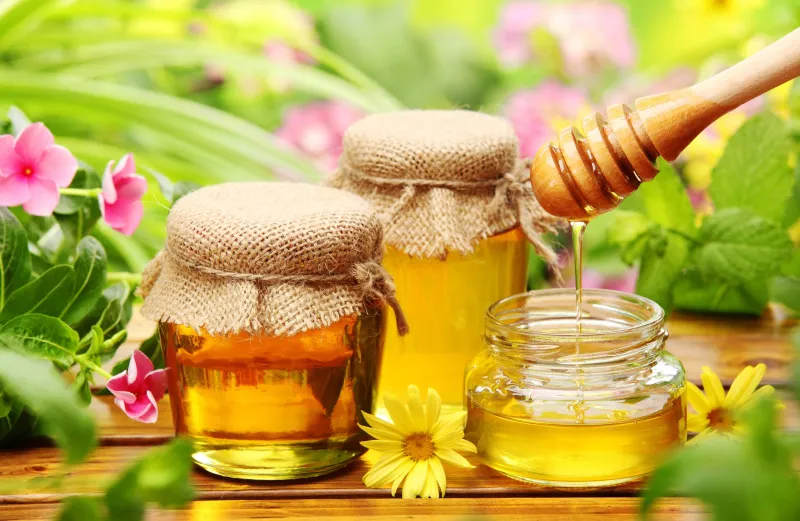
Honey has been used for sore throats and coughs for a long time, and it is not pure folklore. The thick texture coats an irritated throat, sweetness can trigger saliva, and a warm drink with honey feels good when swallowing hurts. Some studies and reviews suggest honey can help calm coughs, especially in children over one year old, though the evidence is not uniform and the effect is modest. Manuka may taste more medicinal to some people, but there is no strong evidence that it is dramatically better than other honey for ordinary throat comfort. If you love the taste and the ritual helps you feel human again, that is a legitimate reason to use it. Just don't mistake comfort for a cure.
Where MGO and UMF Fit In, and Where They Don't
Manuka is graded by markers such as MGO, UMF, and PA. MGO is methylglyoxal, a compound that gives manuka much of its lab-measured antibacterial activity. UMF is a grading system that ties several markers together. These numbers are useful when you are buying manuka for what makes it manuka, and they matter for products where antibacterial activity is the point. For a sore throat, the case is much thinner. A higher MGO number does not appear to be a reliable way to soothe a throat faster. If you already keep a UMF 5+ or UMF 10+ jar for everyday use, that is plenty for a spoonful in tea. Paying for UMF 20+ because you have a cold is an expensive way to feel proactive.
What Manuka Can't Do
Manuka honey cannot cure strep throat. It cannot replace antibiotics when a bacterial infection is the cause. It cannot treat the flu, COVID-19, or a sinus infection. It cannot 'boost' your immune system in the way supplement marketing likes to suggest. It is not a decongestant, an antiviral, or a painkiller in the clinical sense. If your throat is severely sore, if swallowing is difficult, if you have a high fever, a rash, or symptoms that last more than a week, call a clinician. Honey is a pantry item, not a triage tool.
Safe Use: Spoons, Sips, and the Infant Warning
For adults and children over one year old, a teaspoon of honey as needed is a reasonable comfort measure. Stir it into warm tea, take it straight off the spoon, or pair it with lemon and hot water. Do not give honey to infants under 12 months old. This is not a manuka-specific rule; it applies to all honey because of the risk of infant botulism. If you are packing a cold-season basket for a family with a newborn, leave the honey out.
People with diabetes should account for honey as sugar. Honey is still carbohydrate, and a spoonful adds up. Anyone with a known honey allergy should avoid it. And because honey is sticky and sweet, it is worth brushing your teeth after a spoonful, especially if you are using it several times a day.
A Sensible Pantry Strategy for US Shoppers
Keep one jar you actually like and can verify. A UMF 5+ or UMF 10+ jar is a good middle ground for daily use. If you are buying specifically for sore-throat season, don't overbuy high-potency jars you won't finish. Store honey at room temperature, keep the lid clean, and use a dry spoon. Pair it with the boring stuff that actually helps: fluids, rest, a humidifier, saline spray, and throat lozenges if you need them. Honey can be part of the kit. It should not be the whole kit.
The Bottom Line
A spoonful of manuka when your throat hurts is a nice ritual with real comfort value. It is not a cure, and it does not need to be. Buy a grade you can verify, use it in amounts that make sense, keep infants away from it, and let a clinician handle the red flags. That is a better cold-season strategy than chasing the highest MGO number on the shelf.