Carry-On Gold: A Manuka Travel Plan That Survives TSA, Trunks, and Hotel Mini-Fridges
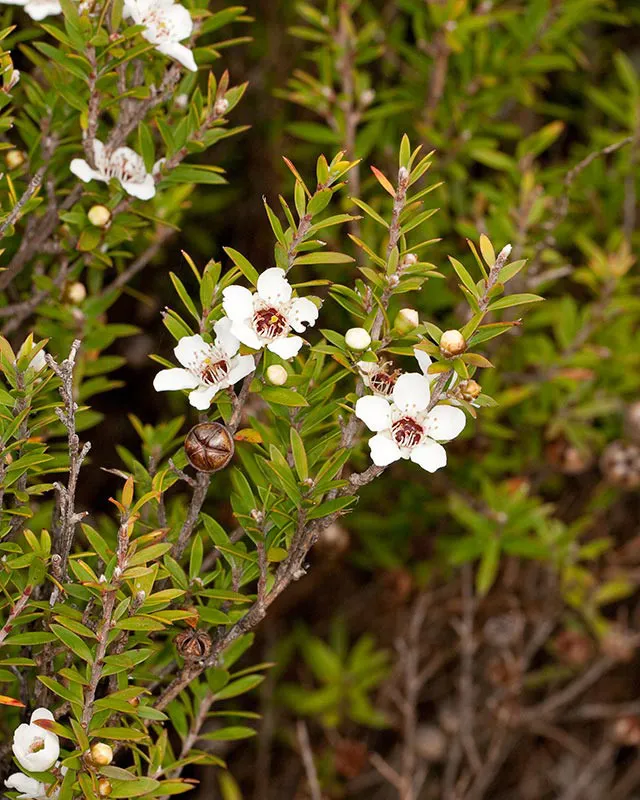
Photo: manuka honey jar packed in travel bag with toiletry pouch and spoon, via www.nzpcn.org.nz
Manuka honey is not a souvenir magnet. It is a sticky, expensive, slightly temperamental food product that you have decided—for reasons both noble and snack-related—to bring along on a trip. Respectable. But the same jar that looks perfect on your kitchen counter can turn into a caramel-scented disaster inside a carry-on. The goal here is simple: get the jar there, keep the good stuff intact, and avoid being the person who makes a TSA officer sigh.
First, Decide Whether the Jar Actually Deserves the Trip
Not every jar needs a boarding pass. If you are going away for two nights and plan to eat most meals out, a full 250-gram jar is probably overkill. If you are visiting family, renting a cabin, or staying somewhere with a real kitchen, bringing your own jar can make sense—especially if you use manuka daily and do not want to buy a mystery jar at a gas-station stop.
A useful rule: travel with the smallest format that covers your actual routine. A 50-gram jar or a box of single-serve packets is often smarter than decanting your good stuff into a random container. More on that below.
The 3-1-1 Rule Is Not Your Friend
In the US, the Transportation Security Administration still limits liquids, gels, and pastes in carry-on bags to containers of 3.4 ounces or less, all fitting inside one quart-size bag. Honey counts. It is not a solid, no matter how confidently you explain that it is thick.
That means a standard 250-gram manuka jar—about 8.8 ounces—is not carry-on legal. It needs to go in checked luggage. A smaller 50-gram jar is roughly 1.7 ounces, which clears the limit, but it still has to ride in your quart bag with your toothpaste and hand sanitizer. Pack it upright, and put it in its own small zip-top bag before it goes into the larger clear bag. Double-bagging is not paranoia. It is experience.
If you are checking a bag, the math changes. A full jar can fly underneath, but it needs padding and a leakproof seal. More on that in a second.
Containers That Actually Hold
Honey is a patient liquid. It will find the one thread on a jar lid that is not fully seated, and it will use it. Before any trip, do a quick seal check: wipe the rim, screw the lid down firmly, and turn the jar upside down over the sink for a minute. If you see a bead forming, do not pack it.
For checked bags, skip the cute cloth pouch and go straight to a rigid, leakproof container. A small hard-sided food box with a silicone gasket works well. So does a screw-top polypropylene jar with a tight lid, wrapped in a towel or a shirt you do not love. I like to put the whole thing inside a gallon zip-top bag, then nestle it in the center of the suitcase—not by the zipper, not by the wheels, and definitely not next to the bottle of shampoo you forgot to close.
For carry-on, keep the jar in its original packaging if it is small enough. Original labels matter if anyone asks questions, and they also tell you the UMF or MGO rating at a glance. Peel-and-stick labels do not love moisture, so give the jar a quick wipe before it goes in the bag.
Single-Serve Is Not a Cop-Out
Single-serve manuka packets are not the most glamorous format, but they are brilliant for travel. They clear TSA easily, they do not leak, and they let you bring a few teaspoons without committing to a full jar. They are also handy for hotel breakfasts, road-trip oatmeal, and the kind of day when you want honey but do not want to wash a spoon in a hotel sink.
Are they as good as a jar? Usually not quite—packets can be harder to find in high UMF grades, and the per-serving cost is often higher. But for a long weekend, the trade-off is worth it. If you are a jar loyalist, consider transferring a few servings into small silicone travel tubes. Just label them clearly. A clear tube of golden goo in a carry-on invites questions.
Heat, Cold, and the Hotel Mini-Fridge Trap
Manuka honey does not need refrigeration, and it does not love temperature swings. A checked bag in the cargo hold is generally cool, not freezing, but a suitcase sitting on a tarmac in Arizona in July is another story. If you are traveling in summer, pack the jar in the center of the bag, surrounded by clothes, and avoid leaving the suitcase in a hot car.
At the hotel, do not automatically put the jar in the mini-fridge. Honey can crystallize faster in cold conditions, and a mini-fridge that cycles on and off is not doing your jar any favors. A dark, room-temperature spot is better—think a closed drawer or a cabinet away from the kettle. If the room runs hot, a small cooler with a cold pack wrapped in a towel is fine, but do not put the jar directly against the ice.
Road Trips and Weekend Bags
Car travel is the easy mode. The jar can ride in the trunk or a backseat cooler, but keep it out of direct sun. A small insulated lunch bag with a folded towel works well. If you are camping, decant a few servings into a squeeze bottle rather than bringing the whole jar—less weight, less breakage, less heartbreak if it tips over.
For weekend trips, I like a small jar plus a dedicated spoon. Sounds fussy, but a clean spoon means you are not dipping a hotel teaspoon into your premium jar after it has been in a drawer. Wrap the spoon in a napkin and rubber-band it to the jar. It is a tiny ritual that makes the whole thing feel less like packing and more like planning.
Pairings That Earn the Jar a Spot
Travel food is usually beige. Manuka is a good antidote. Pack a few sturdy companions: plain Greek yogurt cups, oatmeal packets, almonds, and a couple of good tea bags. A teaspoon of manuka over hotel oatmeal is a small luxury that costs less than room service. On a road trip, it is excellent with sharp cheddar and apple slices—sweet, savory, and easy to eat from a cooler.
Just remember that honey is not a utensil-free food. Bring a spoon, or embrace the sticky finger life.
A Tiny Pre-Flight Checklist
- Check the jar size against the 3.4-ounce carry-on limit.
- Seal, bag, and pad the jar for checked luggage.
- Keep the label visible and the lid tight.
- Pack a spoon and a napkin.
- Avoid the mini-fridge and direct heat.
- Bring only what you will actually eat.
A good jar of manuka is worth a little planning. It is also worth not ruining your vacation. Pack it like you mean it, and the worst thing that happens is you come home with an empty jar and a new habit.