Sterile vs. Spoonable: Where Wound-Care Manuka Ends and Your Pantry Jar Begins
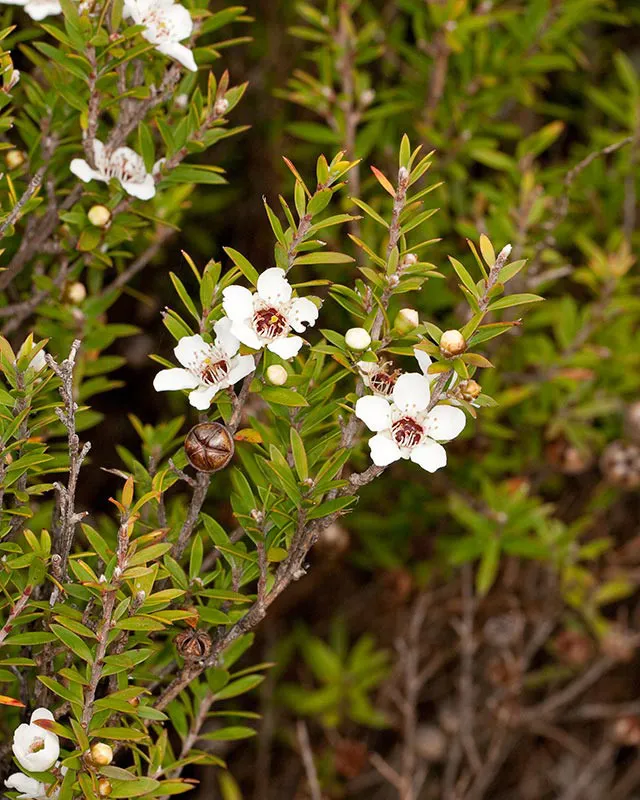
Photo: OathOn, CC BY-SA 4.0, via Wikimedia Commons
Your pantry jar has a lot going for it: a harvest date, a UMF or MGO number, maybe a PA rating, and a price that makes you wince. What it does not have is a 510(k) clearance, a sterile barrier, or a clinician's instructions for use. That is not a knock. It is a category difference, and it is worth understanding before a label or a short video convinces you that the two things are cousins.
One Is Food. The Other Is a Medical Device.
In the US, a jar of manuka honey sold for eating is regulated as food. It can carry a nutrition panel, a UMF or MGO rating, and origin language. It cannot claim to treat, cure, or prevent a disease, and it does not have to be sterile.
Medical honey products—the kind used in clinics for wounds—are typically regulated as medical devices. They go through the FDA's 510(k) pathway, which means the maker has shown substantial equivalence to a legally marketed predicate device. The product has a named intended use, validated manufacturing, and packaging designed to keep it sterile until opening. You will usually find them in tubes, single-use sachets, or dressings, not in the sweetener aisle.
That is the cleanest split: food versus device. Everything else follows from it.
What 'Sterile' Actually Buys You
Honey is naturally low in water activity, which makes it hostile to many microbes. But pantry honey is not sterile. It can contain dormant Clostridium botulinum spores, wild yeasts, and dust from the hive and bottling line. For a healthy adult eating a spoonful, that is generally not a concern. For an open wound, it is a different conversation.
Medical honey products are sterilized, often with gamma irradiation, and packaged to stay that way. The sterilization step is not a flavor upgrade. It is a safety requirement for the intended use. A food jar that says 'raw' or 'unfiltered' is telling you something about how it was handled—not about whether it belongs on a cut.
The Halo Words That Mean Very Little on a Food Jar
'Medical grade' is not a legally defined food category in the US. You will see it in marketing, in blog posts, and in product descriptions, but it does not come with a standard definition you can check the way you check a UMF number.
Other phrases to treat as mood lighting rather than evidence:
- 'Hospital grade' on a food label. Hospitals do not endorse honey brands, and the phrase has no regulatory meaning for food.
- 'Clinical strength.' A strength claim without a defined intended use is just a strength claim.
- 'Antibacterial' used loosely. Food labels have limited room here; structure-function language is not the same as an FDA-cleared wound-care indication.
- A high MGO number presented as proof of medical status. MGO is a useful marker for edible manuka. It is not a device clearance.
The blur usually happens through imagery: a bandage icon, a stethoscope, a white lab coat, or a comparison table that places a pantry jar next to a wound gel. Those are marketing choices, not regulatory ones.
Why You Should Not Dab Your Pantry Jar on a Cut
This is the practical heart of it. A premium edible manuka is not interchangeable with a sterile wound product. Putting pantry honey on a cut can introduce spores and other microbes, trap debris, and delay proper care. It can also sting in a way that tells you nothing useful about healing.
For a minor kitchen scrape, soap, water, and a plain bandage are still the boring, reliable move. For anything deeper, dirtier, or slower to heal—especially if you have diabetes or a weakened immune system—talk to a clinician. Wound care is not a pantry project.
How to Ask a Pharmacist Without Getting the Stare
Pharmacists are a good first stop because they see both worlds: food-adjacent products and actual medical devices. Bring the box or a photo of the label and ask specific questions:
- Is this product FDA-cleared for wound care, or is it a food?
- What is the intended use on the label?
- Is it sterile and single-use?
- Is it meant to be eaten, or only used externally?
- Does it have a 510(k) number or clearance listing I can look up?
A good pharmacist will not bless your pantry jar for a wound. They will point you toward a product with a cleared indication, or tell you when to see someone. That is the useful answer, even if it is not the one the label's vibe suggested.
A Thirty-Second Package Check
When you are standing in a store or scrolling a product page, run this quick pass:
- Does the package say 'sterile' and name a sterilization method or single-use design?
- Is there an intended-use statement for wounds, burns, or dressings?
- Is it in a tube, sachet, or dressing—or a screw-top eating jar?
- Does it carry a 510(k) number or FDA clearance language?
- Does the label say 'food' or 'for external use only'?
If the answers point to food, enjoy it as food. If they point to a device, use it as directed. Mixing the two is where confusion—and risk—creeps in.
The Pantry Jar's Real Job
Your edible manuka still has a legitimate place: drizzling, tasting, stirring into tea, and adding to a sore-throat spoon when you are otherwise healthy. Buy it for verified rating, harvest date, and flavor you actually like. Do not buy it because a label borrowed the language of a hospital supply closet.
The medicine aisle and the pantry shelf can both hold manuka. They are just not the same product, and they are not supposed to be.